
Design

Design Service

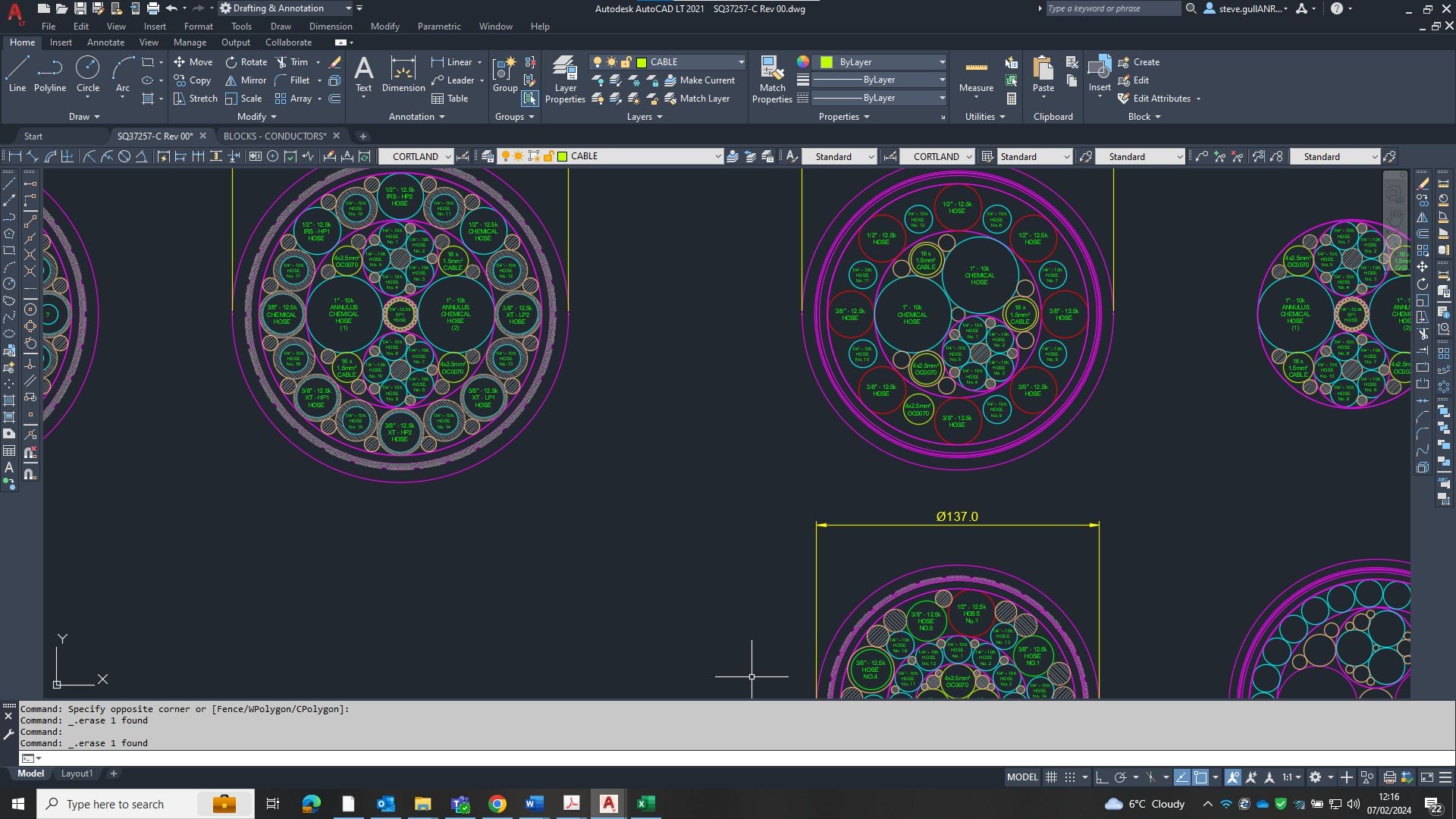
Fibron offer both dynamic and static cables and umbilicals designed and manufactured to operate in the most demanding subsea environments.

We actively engage with our customers during the design phase to determine the optimum strength members, polymers, mechanical terminations and components to suit their specific application.

During the design phase we draw upon over 100 years’ combined experience in designing high-quality products for these demanding applications.

design

Our Design Service

When required, we work with the appropriate third party certification organisations to ensure that the manufactured products meet the desired specification. Typically the guiding document will be the ISO13628-5/API 17E subsea umbilical standard, though we can work to other standards as necessary.

During the project execution phase our designers work closely with our project, quality and operations teams to ensure that the product is manufactured to the required specification – on time and on budget. Our design team participate in the initial and subsequent customer/project meetings to ensure productive and constructive input.

On completion of the more demanding projects we encourage our customers to participate in a ‘lessons learnt’ meeting to allow the Fibron team to continuously improve our product and service offering.

Bespoke Cable & Umbilical Design FAQs

Answers to common questions about Fibron’s bespoke design process, project requirements and integration with existing equipment and handling systems.

Most Fibron cables and umbilicals are designed around the requirements of a specific project. Standard components or established construction principles may be used where appropriate, but conductor sizes, hose services, fibre count, reinforcement, protection, buoyancy, diameter, length and terminations can all be adapted to the application. Some diving hoses and cable components are also available in established product ranges.

Early involvement allows the cable architecture to be developed alongside the equipment, deployment system and operating procedure. This can prevent conflicts involving reel capacity, sheave diameter, bending, weight, termination space, power requirements or connector interfaces after other parts of the system have already been fixed. Early collaboration can also identify opportunities to reduce diameter, weight or manufacturing complexity.

Useful information includes the application, operating environment, water depth, required services, voltage, current, fibre count, data requirements, working and breaking loads, required buoyancy, target diameter, length, temperature range and chemical exposure. Fibron should also be given details of the reel, winch, sheaves, deployment method, terminations, connectors, applicable standards and required test documentation.

Not every parameter needs to be known at the enquiry stage. Fibron’s engineers can help identify missing design inputs and areas requiring further definition.

Yes. Reel capacity, drum diameter, fleet angle, sheave diameter, safe working load, heave compensation, deployment tension and vessel footprint can all affect the cable design. Providing this information early allows Fibron to consider bend radius, weight, spooling behaviour, tensile loading and the space available for the complete product and its terminations.

Here to help

If you need an umbilical or cable and can’t immediately see what you’re looking for, please do get in touch. Most of our work is bespoke to the needs of a particular project, so we can’t show all of our capabilities on our website. As experts in our field, if you need a cable or umbilical, particularly for use in a challenging environment like offshore, there’s a good chance that we’ll be able to help.